São Paulo
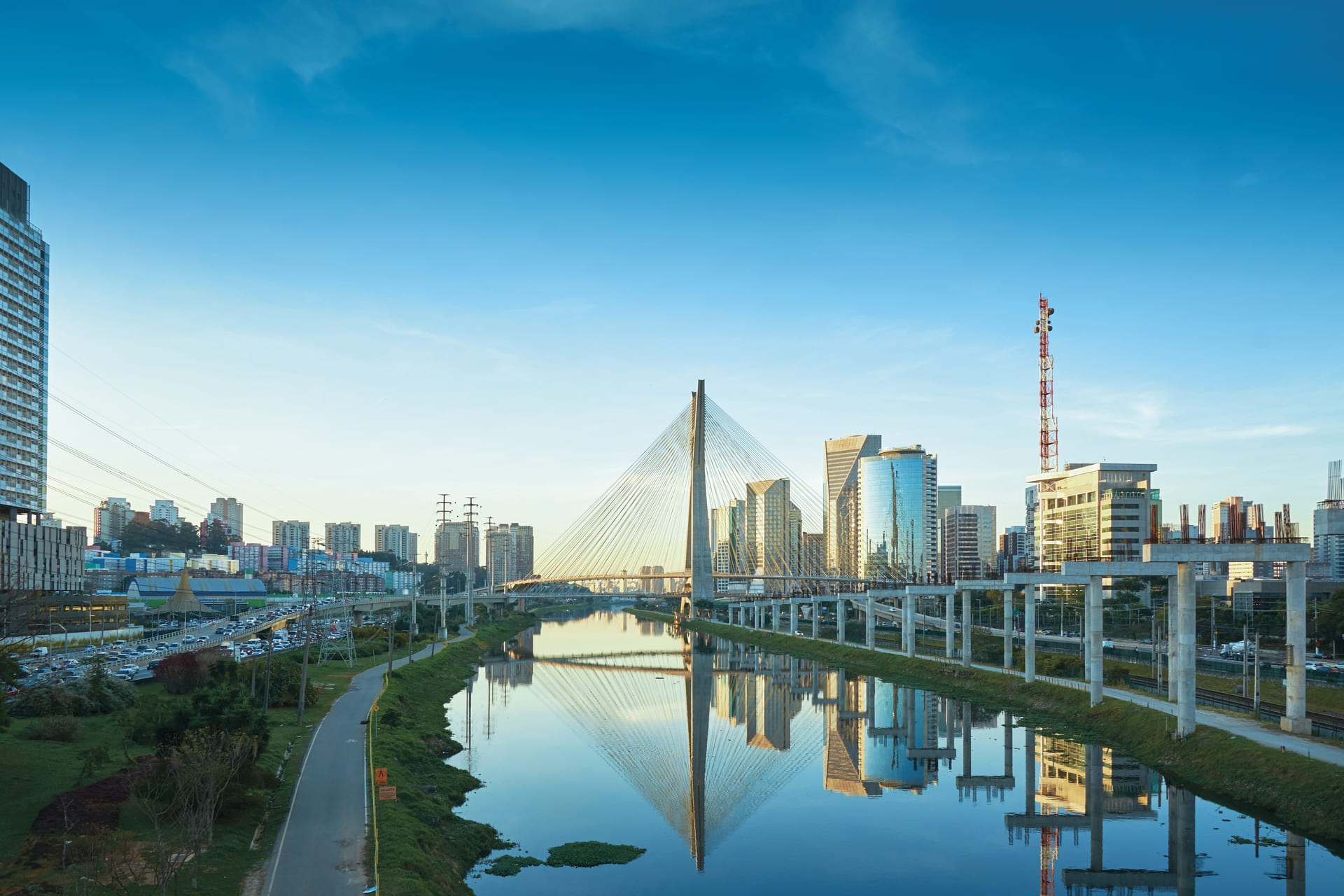
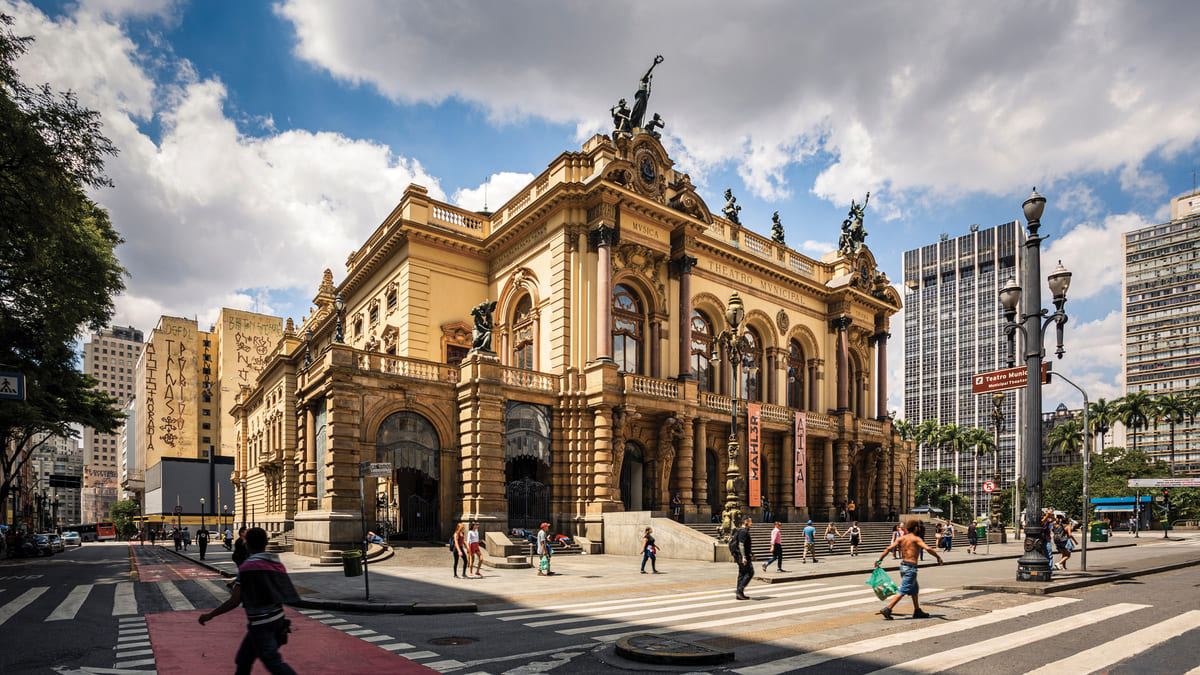
Don’t judge São Paulo only by its skyscrapers and the immense avenues that divide the city. Certainly, it is the economic heart of Brazil and the leading financial, commercial, and industrial center of Latin America. But it is also a colorful metropolis, boosted by its 19 million inhabitants who have come from all corners of the country and beyond. A world-class city, among the most fascinating, shaped by long-established Japanese, Italian, Lebanese, and African communities. And this metropolis has everything going for it: renowned museums, abundant gastronomy, street art, futebol (soccer), and an electric nightlife.
Meeting Alya Sebti
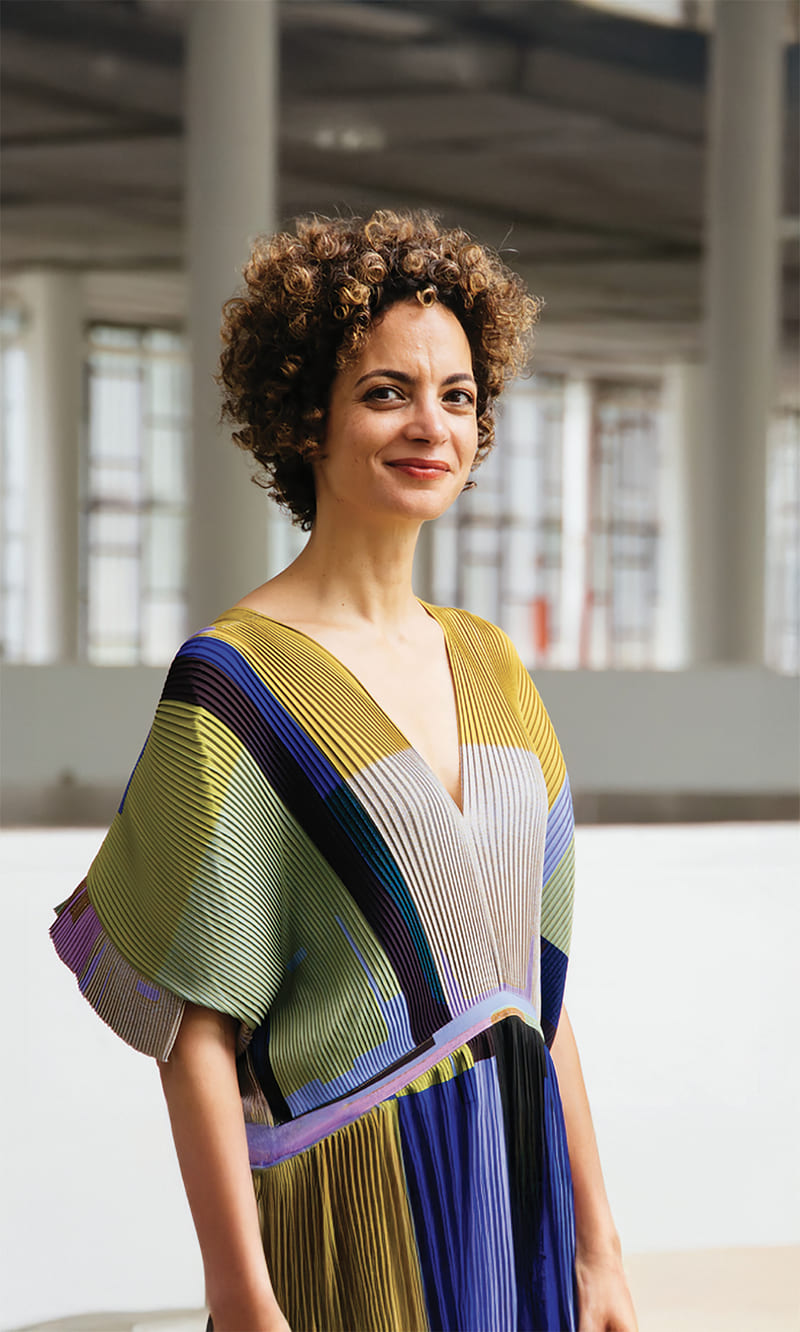
Exhibition curator for the 36th São Paulo Biennial, Alya Sebti is not just a renowned Moroccan curator; she embodies travel, sharing, and boundless curiosity. Born in Casablanca, this art globe-trotter has built an impressive international career, positioning herself as an essential voice that builds bridges between Africa, Europe, and the rest of the world.
A fascinating & vibrant art scene
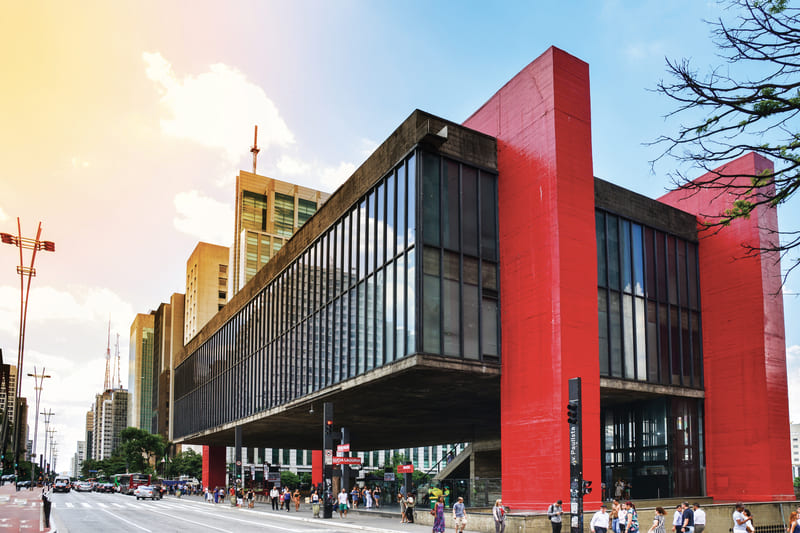
The sheer number and quality of the museums fascinated Alya Sebti, particularly the MASP, a masterpiece of modernity, and the Pinacoteca, an elegant 19th-century building rich with some 8,000 works of art. To really feel the city’s cultural vitality, Alya recommends visiting the Casa do Povo or a SESC*, a unique model developed in Brazil that blends exhibition and concert venues, sports facilities, and daycare centers.
Ibirapuera, the epicenter of the Paulista attitude
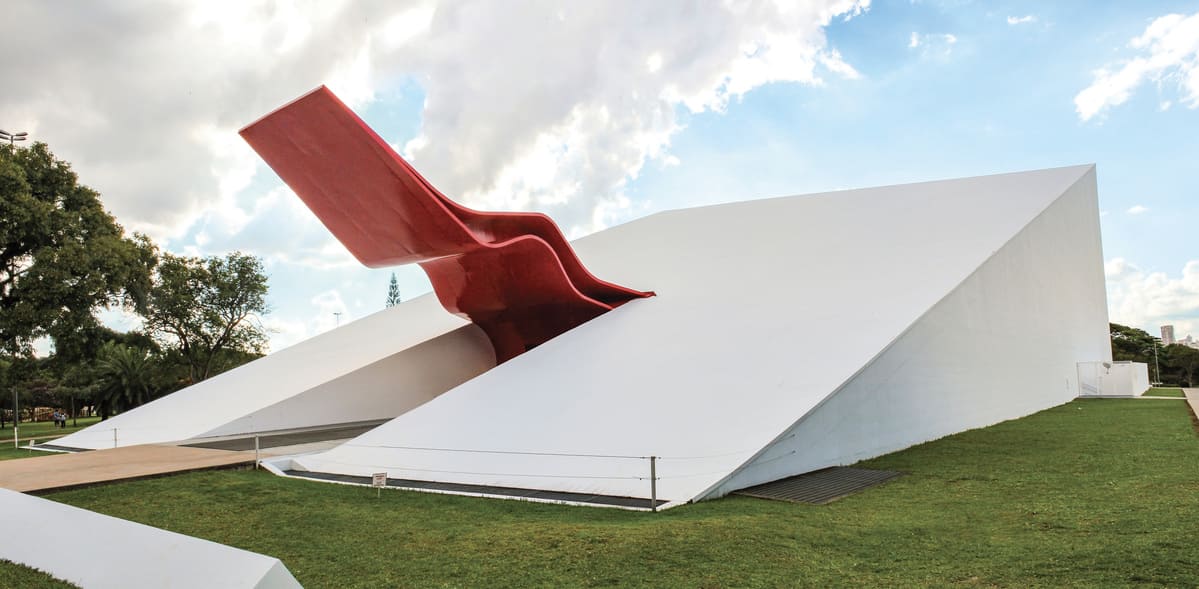
“The diversity of cuisines present in São Paulo is crazy, and many foreign chefs are settling here. The food is good everywhere. However, the restaurant I frequented the most remains the canteen at Ibirapuera Park, right next to the Biennial Pavilion! Simple but wonderful organic cuisine, just like the juices they serve” admits Alya Sebti. A true breath of fresh air for the city, the park attracts Paulistanos (city dwellers) all week long. They run there, often in groups, and readily combine jogging, dance, and singing. They also practice Pilates, yoga, and meditation at the Japanese Pavilion. The paths are perfect for family biking. As for the three lakes, they invite relaxation and picnicking. People also come to the park for culture, celebrated at the Museu Afro Brasil and the Auditorium, both designed by Brazilian architect Oscar Niemeyer.
Sampa in 72-hours
An express itinerary to savor art, explore history, and experience the full intensity of this joyous world-class city — São Paulo, “Sampa,” as its residents call it.
Day 1: the historic heart & Brazilian flavors
Morning: Dive into Art & History Start with the historic center and then head to the Pinacoteca do Estado, one of Brazil’s most important art museums, located in a magnificent late 19th-century brick building. Climb the Edifício Martinelli or the Farol Santander for a breathtaking panoramic view of São Paulo’s immensity.
Noon: Flavor Explosion at the Market Lunch at the Mercadão, the municipal market, a culinary must-see! You will find the famous sanduíche de mortadela (mortadella sandwich), the succulent pastel de bacalhau (cod fritter), and the famous pastéis, which are filled pastries/fritters. They are accompanied by sugarcane juice mixed with lemon—a delight—or guarana (a soda based on guarana seeds). The market is ideal for buying dried chili peppers, exotic fruits, and dried fruits (especially Brazil nuts). The selection is incredible, and the tasting experience is unforgettable!
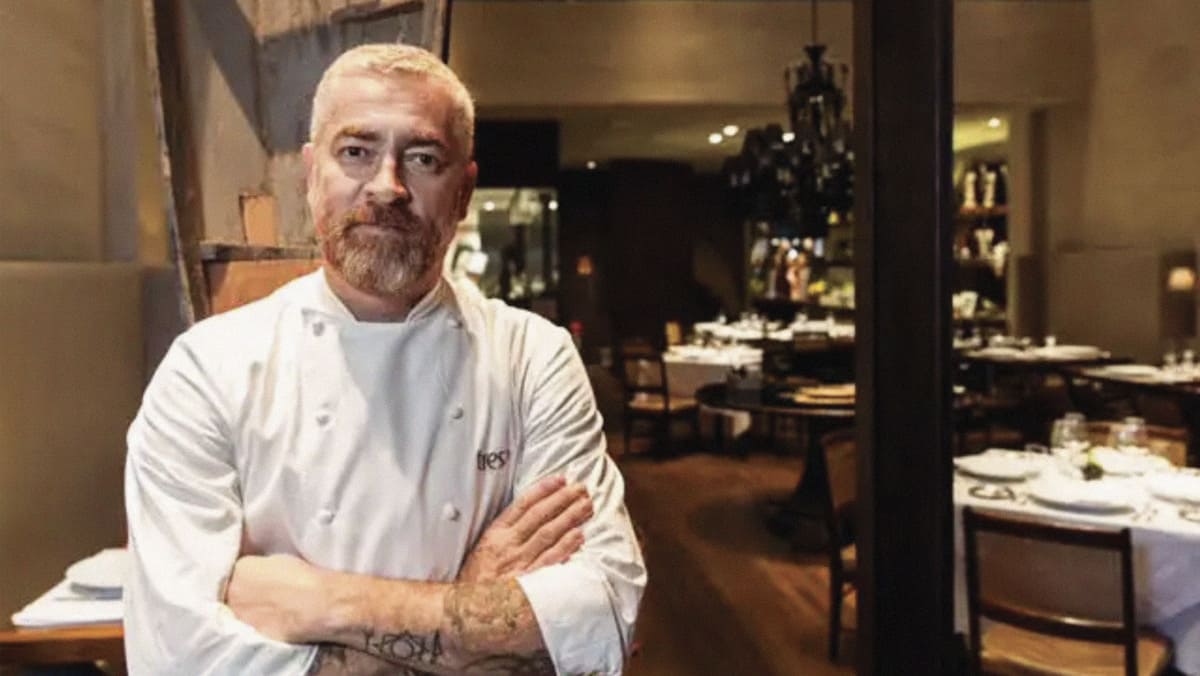
Afternoon & Evening: Avenida Paulista and Fine Dining Stroll along Avenida Paulista, the financial and cultural artery of the city, and visit the MASP (Museu de Arte de São Paulo), recognizable by its bold architecture designed by Lina do Bardi. In the evening, experience fine Brazilian cuisine at the D.O.M. restaurant, led by Chef Alex Atala, who offers innovative cuisine with Amazonian ingredients. At Mani, let yourself be seduced by the refined contemporary cuisine of Chef Helena Rizzo, a major figure in Brazilian gastronomy.
Day 2: Urban Art, Japanese Quarter & Regional Cuisine
Morning: Colors & Artistic Bohemia Head to the impressive SESC Pompeia, an iconic cultural center located in the Vila Pompéia district, to breathe in São Paulo’s creative atmosphere. Continue to the bohemian neighborhood of Vila Madalena to discover the Beco do Batman (Batman’s Alley), a lane entirely covered in vibrant graffiti and frescoes, an urban art sanctuary.
Noon: Street Food In one of the many trendy cafés in the Vila Madalena or Pinheiros districts, enjoy an excellent cafezinho (literally “small coffee”). It is a strong, black, traditionally pre-sweetened coffee served in a very small cup. As soon as hunger strikes, order a coxinha (croquette) of meat, chicken, or cheese, unless you opt for a pão de queijo (literally “cheese bread”, based on manioc) at a lanchonete, a type of popular snack bar or small restaurant in Brazil. Finish in style with brigadeiros (delicious small chocolate and condensed milk balls).
Afternoon & Evening: Japan in Brazil & Churrasco Go to the Liberdade district, which is home to the largest Japanese community outside of Japan. Stroll among the shops and temples, and taste specialties in the pastelarias (pastry shops) or ramen restaurants. On Sundays, the square comes alive with a craft market. End the day with a churrasco (Brazilian barbecue) experience, a feast of grilled meats served continuously (rodízio). Some well-known addresses: Fogo de Chão, Barbacoa, and Templo da Carne Marcos Bassi for a memorable experience.
Day 3: Inspirations, Relaxation & Traditions
Morning: Nature and Museums in the Park Spend the morning at Parque Ibirapuera, the “Central Park” of São Paulo. It is the perfect place to relax, keep fit like a true Paulista, and admire the modernist architecture of Oscar Niemeyer. Take the opportunity to visit the Museu Afro Brasil or the Biennial Pavilion.
Noon: Nordeste Cuisine Feast on cuisine from the Nordeste (Northeast) of Brazil, known for its hearty and flavorful dishes. The most famous restaurant is Mocotó, but it is a bit out of the way. Order the famous dadinhos de tapioca (tapioca and cheese cubes) and the moqueca de peixe, a delicious fish stew.
Afternoon & Evening: Farewell Your Way Browse the chic Jardins district for its elegant Rua Oscar Freire with its luxury boutiques and concept stores that display a sample of Brazilian ready-to-wear brands. This is also where you will find the best Brazilian cosmetics and a souvenir that always impresses: jewelry and a fashion accessory made of Capim Dourado (also nicknamed “vegetable gold”). This rare, naturally golden grass from Jalapão is handwoven and thus contributes to the fair trade of local communities. Football enthusiasts will prefer to head towards the Museu do Futebol at the Pacaembu stadium. For your farewell to São Paulo, opt for an evening full of contrast. Start with a chic rooftop dinner: at Skye in the Hotel Unique; at Terraço Italia (it is said that the best Italian cuisine is savored in this city); or at Lassu, whose structure rotates to offer a 360° view of the city in 1 hour and 40 minutes. Afterward, head to the many bars in Vila Madalena or Pinheiros to listen to música ao vivo (live music) or dance to the sound of chorinho or samba, such as at Bar Samba or Traço de Uniao.
By Michèle Desmottes
MARRAKECH A THOUSAND LIVES IN ONE CITY From the moment of arrival, Marrakech sets its…
COLOURS, SOUNDS AND PULSATIONS A confident and creative contemporary capital, Accra, the capital of Ghana,…