Rachid Yazami: Tomorrow’s Energy
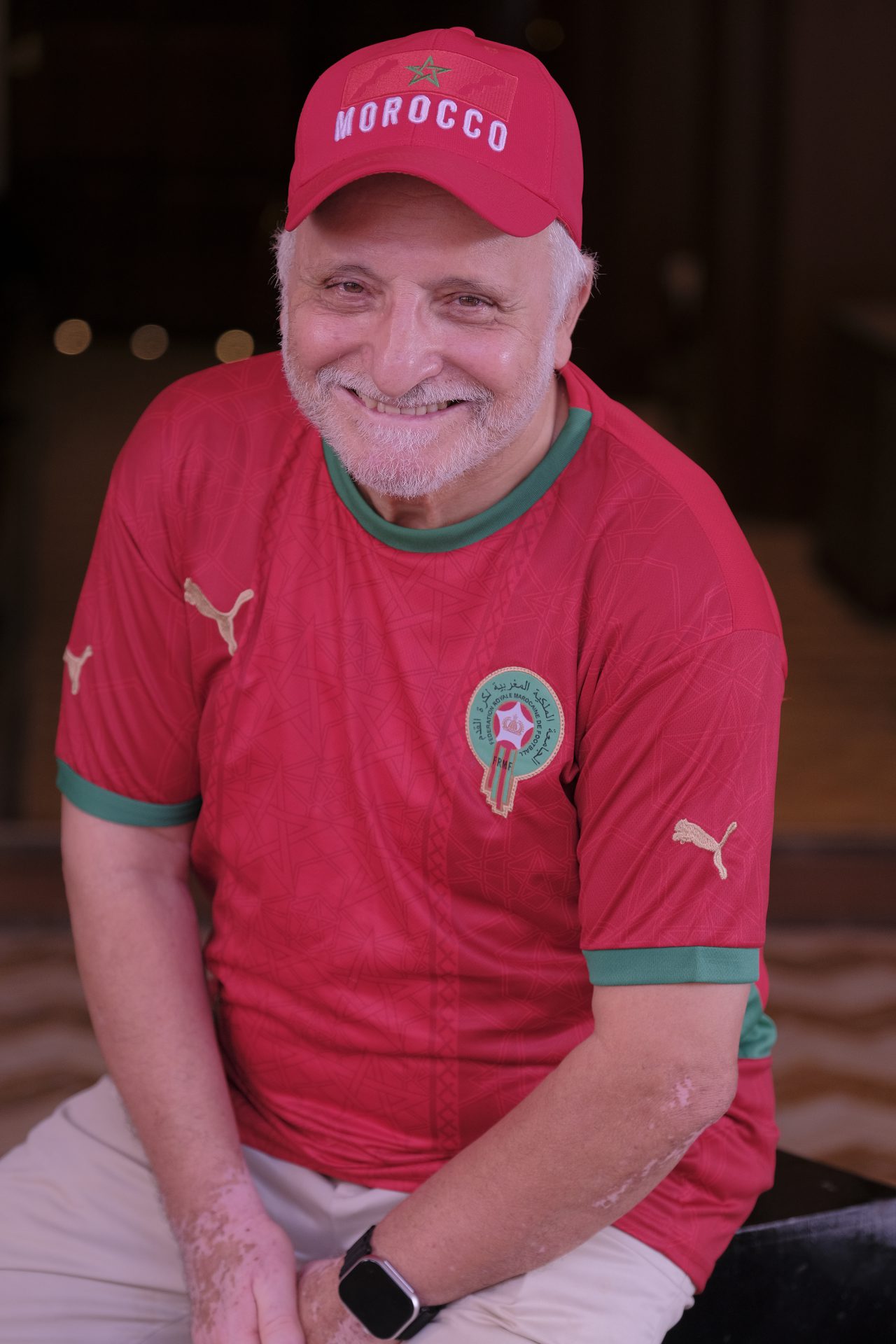
Born in Fez and now based in Singapore, Rachid Yazami is the inventor of the graphite anode used today in virtually every lithium-ion battery. A breakthrough that paved the way for the widespread adoption of smartphones, electric vehicles and, more broadly, the global energy transition. Recipient of the prestigious Draper Prize and holder of more than 250 patents, this internationally renowned Moroccan scientist remains remarkably humble. Now in his seventies, he remains as forward-looking as ever.
Your field of research lies at the heart of today’s global economic challenges.
Absolutely. Global developments clearly show that batteries will play a central role in the economy of the coming decades. The challenge is to make them ever more efficient, safer and more affordable.
What are Morocco’s strengths in this sector?
Morocco possesses exceptional assets: the world’s largest phosphate reserves, an essential resource for lithium iron phosphate (LFP) batteries, considerable renewable energy potential, a strategic geographical location, and a well-established industrial base, particularly in the automotive sector. I am convinced that Morocco can become a major player in the battery industry, provided that it invests more heavily in research, engineering and training.
You have chosen to contribute to Morocco’s development in this field.
Together with Mohamed Aziz Lahlou, President of the Private University of Fez, we established a battery research centre to train the next generation of Moroccan engineers. I am delighted by the arrival of the Kenitra gigafactory. My ambition is to see a wholly Moroccan gigafactory emerge one day, built on our talent, our research and our technologies.
In your view, what is the greatest contribution Moroccans living abroad can make to the Kingdom?
They are an extraordinary asset for the country. Whether in research, medicine, new technologies, finance or entrepreneurship, they bring with them international networks, multicultural perspectives and the ability to build bridges between countries, ideas and people. To my mind, the real challenge lies in the circulation of expertise, the exchange of ideas and the development of lasting collaborations.
Alongside your scientific work, you are also committed to promoting culture. Why?
The theatre is another of my great passions. In Paris, I co-produce a theatre company with the French actress Isabelle Valentin. I have also founded the Théâtre Molière and the Cours Valentin in Marrakech. To me, investing is not simply about building factories or developing new technologies. It is also about investing in culture, the transmission of expertise and young people.