The Southern Provinces: A Business Platform in Full Acceleration
Publication date : décembre 2025
The initial momentum of the Green March—that great peaceful march towards the Sahara on November 6, 1975, which paved the way for the reaffirmation of the sovereignty of the Kingdom of Morocco over its Southern Provinces—took on a new dimension in 2016 with the New Development Model. Its ambition: to make the Moroccan Sahara an efficient economic hub and a true strategic corridor, driven by structural infrastructure and advanced regionalization. October 31st, now a public holiday, Unity Day, marks a national celebration and strong, shared pride. It crowns the fiftieth anniversary of the Green March, a living symbol of cohesion and attachment to territorial integrity. This consolidation, a celebration of unity sends a strong signal of stability, confidence, and visibility to the world, which is particularly favorable for international investors and partners. The focus is now on the transformative projects that are propelling the Southern Provinces to the forefront of the Kingdom’s economic development.
Road Connectivity: The Great North-South Artery
The Tiznit–Dakhla expressway (1,050 km) is nearly complete and will facilitate the flow of people and goods, reduce transport costs and times, strengthen road safety, and stimulate investment and employment in the Southern Provinces. This marks a true before and after for the regional economy.
Dakhla Atlantic Port: Future Strategic Maritime Hub
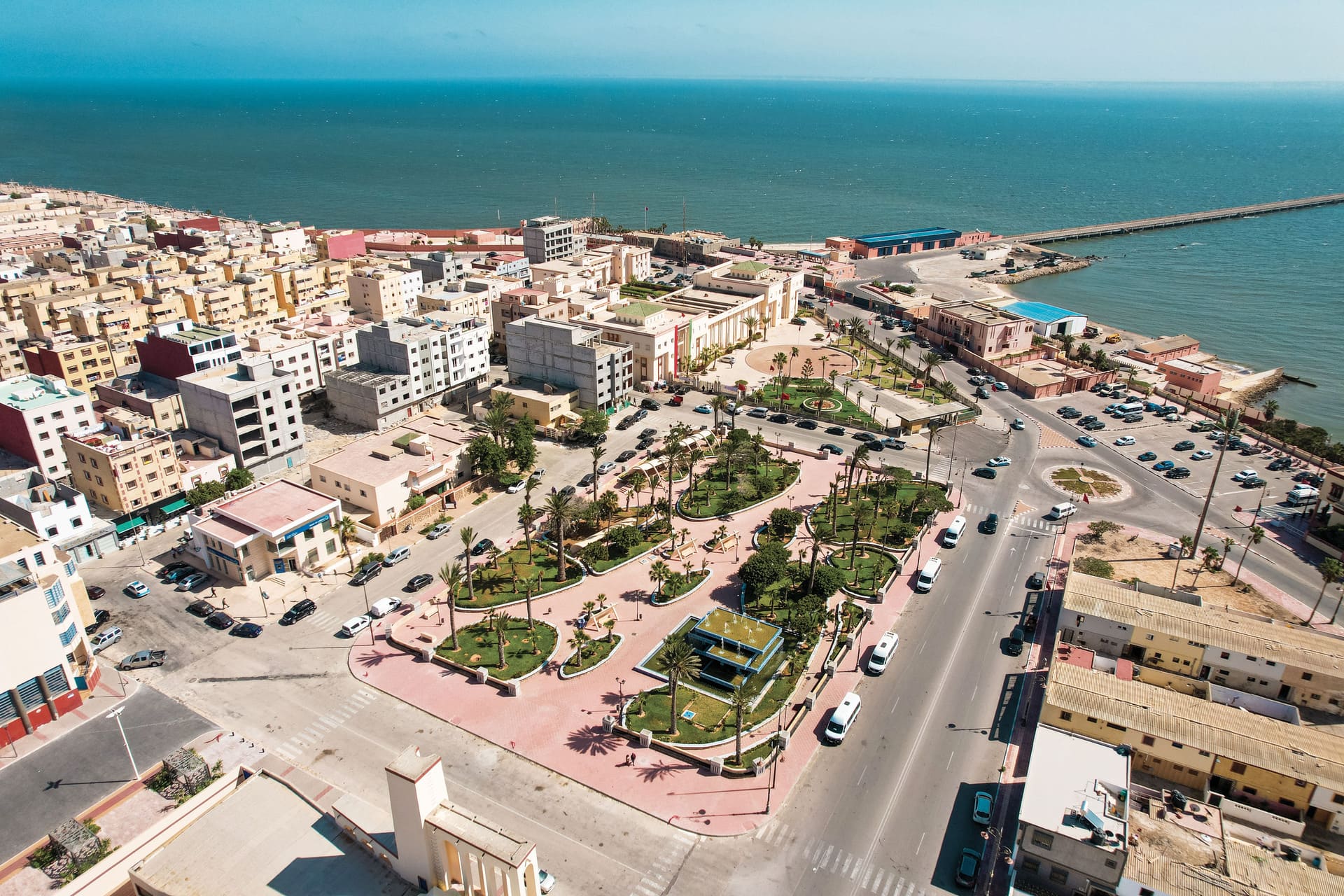
Currently under construction north of Dakhla, the Dakhla Atlantic Port aims to position Dakhla as a maritime gateway between West Africa, Europe, and the Americas. It will notably include three basins: a commercial basin, a fishing basin, and a shipbuilding/repair basin. By 2029, over 35 million tonnes of annual traffic could pass through it. The construction is progressing steadily and is already one of the country’s most impressive infrastructure projects.
Logistics Zones & Border: Heading for West Africa
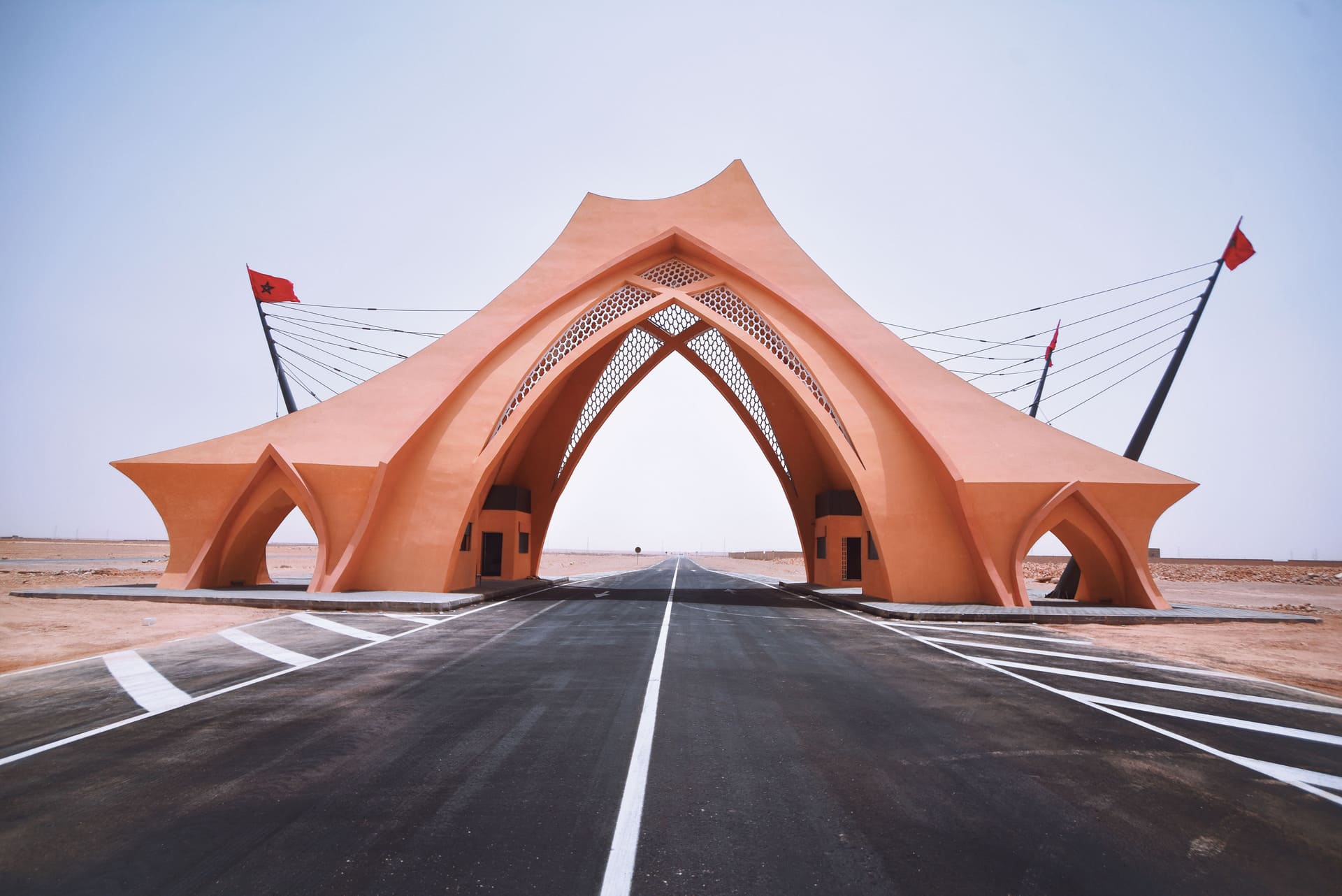
Two distribution zones at El Guerguerat and Bir Gandouz (30 ha each) regulate the entry and exit flows and host over 70 projects. Backing onto the future port, the West Africa Free Zone (45 ha), a planned free trade and logistics zone in the Dakhla region, is positioning itself as a platform for aggregation and onward shipping towards the AfCFTA (African Continental Free Trade Area), which will facilitate the exchange of goods to various African countries.
Energy & Water: Securing Supply, Decarbonising Growth
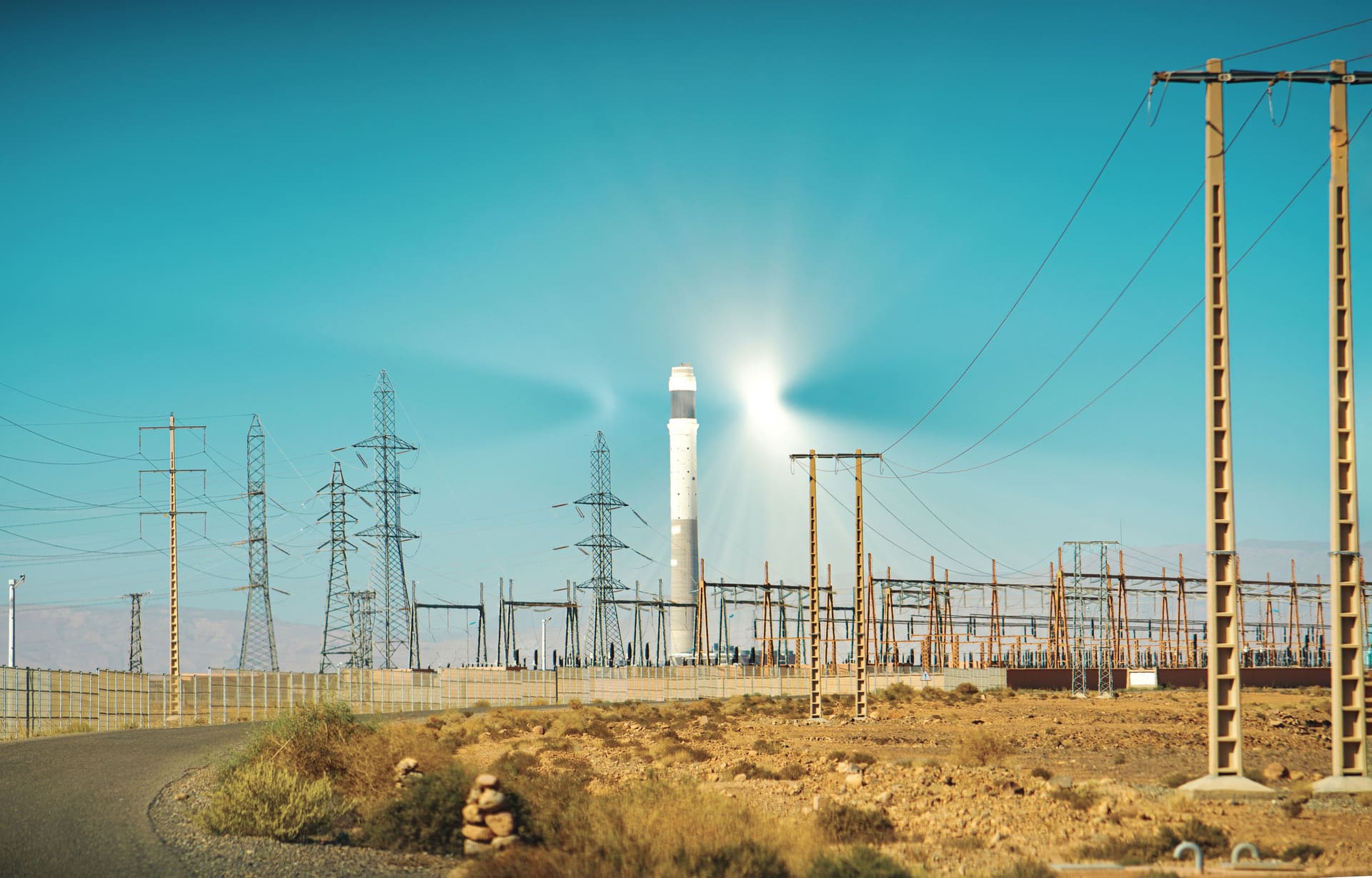
Dakhla is connected to the national electricity grid via 1,000 km of HV lines (225/400 kV)—a key lever for industrial projects, desalination, and, in the future, regional connections. Located 130 km from the city, a “100 % wind-powered” desalination plant will deliver 37 Mm3 per year, irrigate 5,200 ha, and equip 219 farms, including 100 for young farmers. This is an instrument of green industrialisation serving agri-export.
High-Performing Sectors: Fisheries, Aquaculture, Agri-Business
Dakhla is also establishing itself as the industrial heart of fish and seafood canning: six active units, approximately 2,500 jobs, and nearly 400 million cans produced annually for the national and export markets. Offshore, aquaculture is developing: 11 farms are already operational, 2,400 ha have been allocated to 214 projects, with a forecasted production of 78,000 tonnes and some 2,500 jobs created, supported by public bodies that regulate the sector. On land, the market gardening sector is making Dakhla a true exporter—especially for round and cherry tomatoes—with 5,200 ha irrigated through desalination irrigation systems currently being deployed, the creation of nearly 10,000 jobs, and a forecasted turnover of one billion dirhams.
Human Capital & Innovation: Training, Attracting, Retaining
The Foum El Oued Technopole (600 ha) organises training, R&D, and incubation around the Phosboucraa Foundation and UM6P (Mohammed VI Polytechnic University). The “talent” framework is being strengthened with the opening (on November 6th) of the Dakhla-Oued Eddahab City of Trades and Skills (CMC Dakhla), which has a capacity to welcome over 20,600 students, the Specialized Institute of Hospitality and Tourism (ISHT Dakhla), with a capacity of approximately 1,100 students per year, and the Higher School of Technology (EST Dakhla, capacity of 1,400 students), to support the development of key sectors like tourism, logistics, industry, and services. The UM6SS (Mohammed VI University of Health Sciences) has also opened a campus in Dakhla, to promote local skill development and regional attractiveness.
Why Invest Now?
A pipeline of infrastructure delivered or nearing completion (roads, ports, energy, water), already competitive export sectors (fisheries, aquaculture, agriculture), and industrial drivers are creating a rapidly growing market. Located at the gates of the Sahel and West Africa, the Southern Provinces today offer a connected and scalable Moroccan hub for building high-growth regional value chains.
Driven by a sustained rise in recent years, Morocco’s aerospace industry has established itself as…
From talent scouting to injury prevention, Artificial Intelligence (AI) is increasingly making its way into…