Alphadi: Fashion in the Service of Peace and the Future
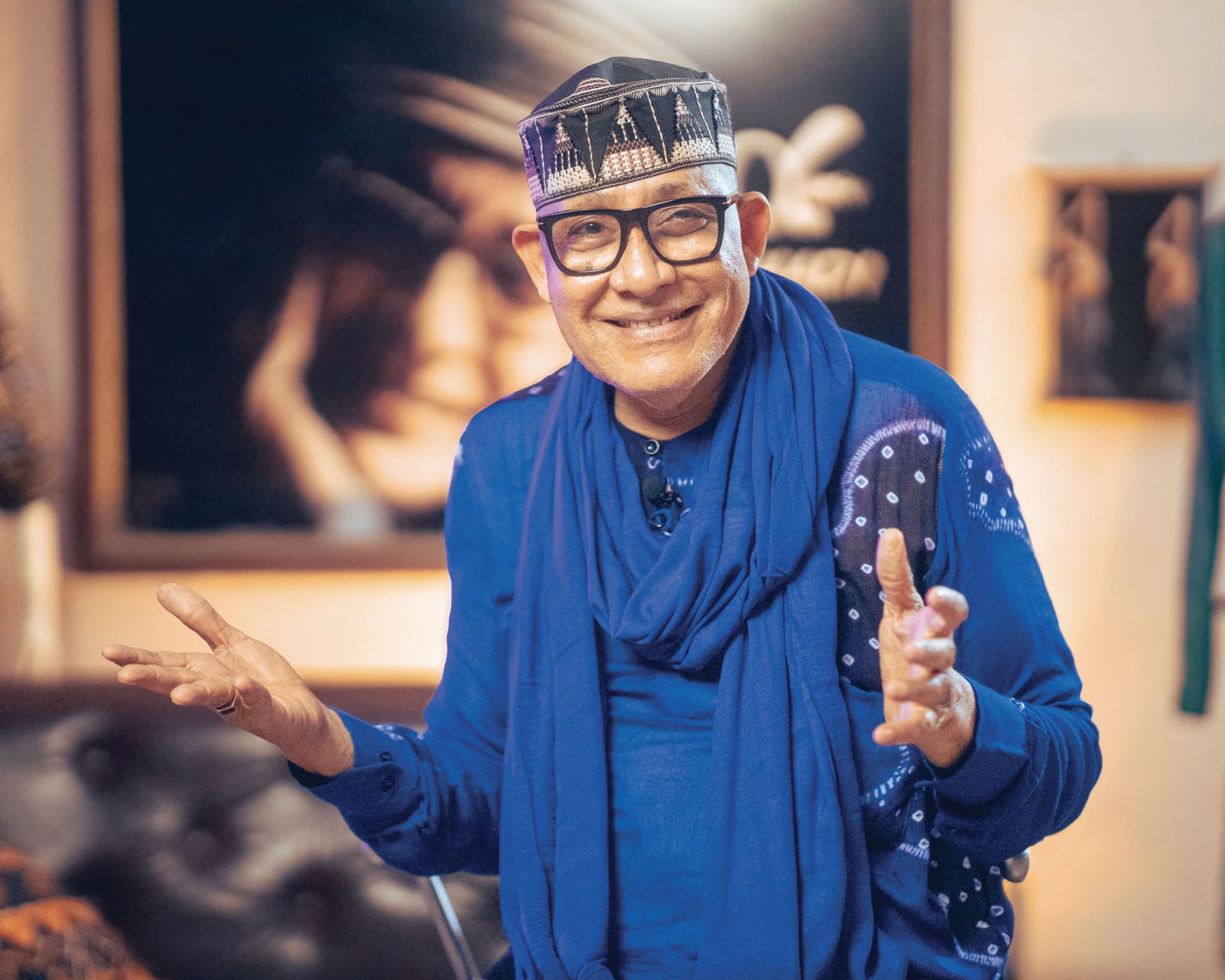
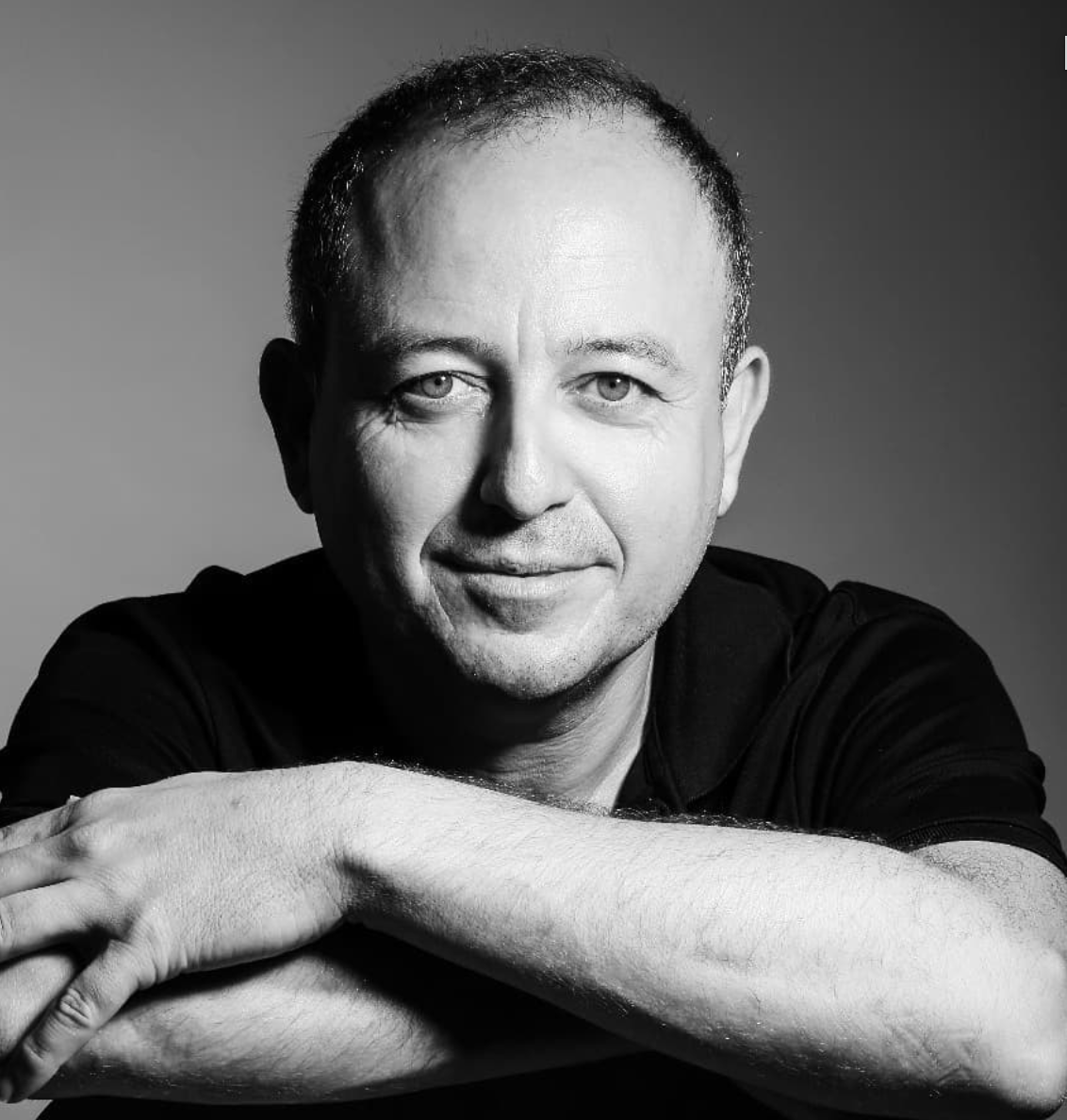
Alphadi, whose real name is Seidnaly Sidhamed, was born in Timbuktu (Mali) in 1957. A designer who grew up in Niger, he now divides his time between Africa, Europe, and the United States. Nicknamed the “Magician of the Desert,” the President of the Federation of African Designers has worked alongside the greatest and has dressed many prominent figures, including First Ladies and African icons such as Winnie Mandela and Myriam Makeba. We met him in Casablanca, where he stays regularly, as he was working on a thousand and one projects, as is his habit.
Where does your nickname “Magician of the Desert” come from?
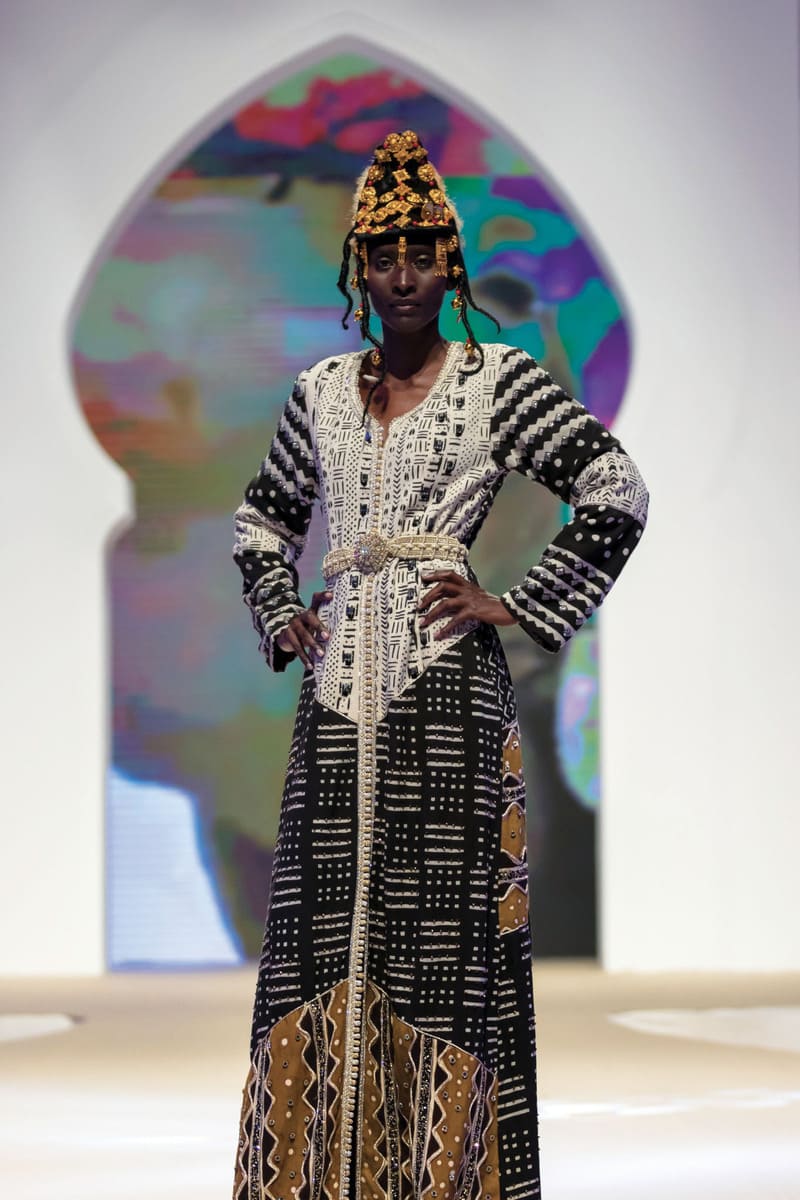
This nickname comes from a daring roll of the dice: in 1998, I organized the first International Festival of African Fashion (FIMA) in the Ténéré desert (Niger), which was then shaken by rebel movements. I wanted to show that creation could become a tool for peace and tourism development. We brought together 62 designers, including major houses like Yves Saint Laurent and Dior, 110 models, more than 1,000 international guests, and nearly 10,000 people from surrounding villages. This FIMA propelled African fashion onto the global stage and earned me this nickname.
Was fashion an obvious choice for you… and for those around you?
Starting at the age of 10, I dressed my mother and put makeup on my sisters and aunts, which greatly surprised those around me and society, where fashion was still perceived as a “woman’s business”. My mother comes from a high Tuareg lineage, and my father, also from a large family, is Bambara (one of the largest ethnic groups in West Africa). A fully African blend, which my 6 children have inherited, also enriched by their mother, who is Zarma, one of the largest ethnic groups in Niger. After training at the Atelier Chardon Savard in Paris, I returned to Niger. At the beginning, every fashion show was difficult, both for me and for the models walking. Even today, when I face extremist speech, I choose to go toward people, to open dialogue, convinced that art remains a bridge to peace.
Your fight for peace has never stopped…
Indeed, more than twenty years ago, I launched the Alphadi Caravan for Peace, in order to travel with fashion, music, and dance and open dialogue in areas of instability. My appointment, on January 25, 2016, as a UNESCO Artist for Peace and, today, as UNESCO Ambassador for Innovation and Creation, encourage me to continue down this path. In 2025, we even thought bigger: the Caravan crossed several countries of the Alliance of Sahel States, with a particularly significant stop in Timbuktu. I want young people to be able to admire beauty and understand that fashion is a sector rich in opportunities, for individuals, but also for the development of a country.
Do you also have a base in Morocco?
Morocco is an integral part of the FIMA adventure. I celebrated the 20th anniversary of this festival in Dakhla, in the Moroccan desert, under the High Patronage of His Majesty King Mohammed VI. It was a spectacular success: nearly 10,000 spectators, over 40 designers, and 120 models attended. In 2022, we also experienced a memorable edition in Rabat, African Capital of Culture. The next FIMA in Dakhla, again placed under the High Patronage of His Majesty, was initially planned for December this year; in the end, we postponed it to April 2026, out of respect for the football calendar in Morocco!
What is your view on the evolution of African fashion and brands?
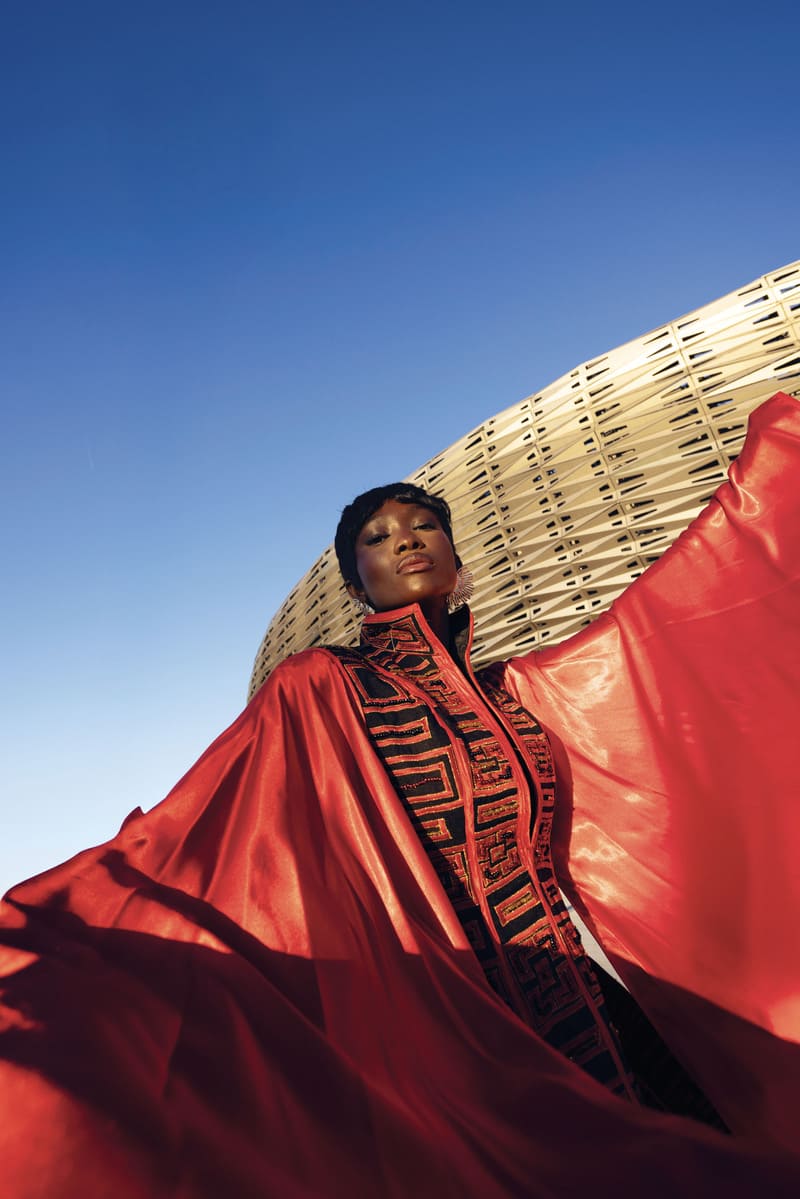
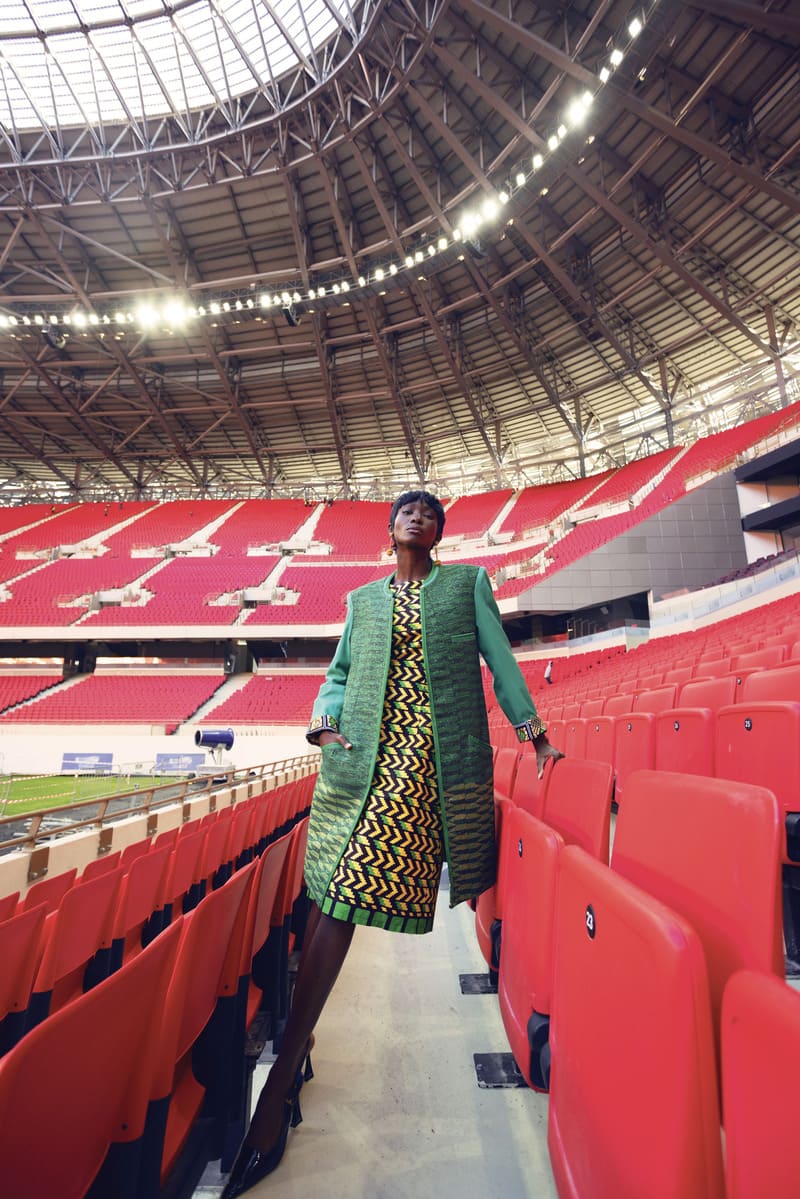
African creativity, in terms of clothing, leather goods, jewelry, and perfumes, is immense: formidable artists work on the continent, but without having the necessary funding. Unlike European or American designers who are often supported by large entities, African artists must bear all the costs alone, from creation to communication. Fashion is an industry, and without funding, development is not possible. Africa is already creating luxury, and it does so with excellence! It could dress Hollywood. Casablanca or Abidjan could become shopping destinations like Paris or New York!
Alongside FIMA, which helps highlight African creativity, you have launched another project to support youth?
For me, training is the foundation of development. So, a little over five years ago, I opened the first fashion school in Niger, a project I had been working on for nearly ten years. The United Nations Population Fund (UNFPA), as well as a Luxembourg fund, helped me get started. We already have 240 students, only young girls. Very soon, about sixty boys will join the school. It is through this new generation that the future of African fashion will be built.
Is there a final message you would like to convey?
For me, fashion and art in general are sources of pride, spiritual elevation, and self-love. They must be cultivated and cherished in Africa to become fully aware of our worth, and also encourage Europe, America, and Asia to recognize and appreciate our creations at their true value. My fight is for Africa to be respected and for it to build bridges with the rest of the world through beauty and creation.
by Michèle Desmottes
A leading figure in Moroccan fashion, Albert Oiknine embodies a generation of designers who have…
A leading figure of the caftan, Zineb Joundy embodies an open, outward-looking creative vision shaped…