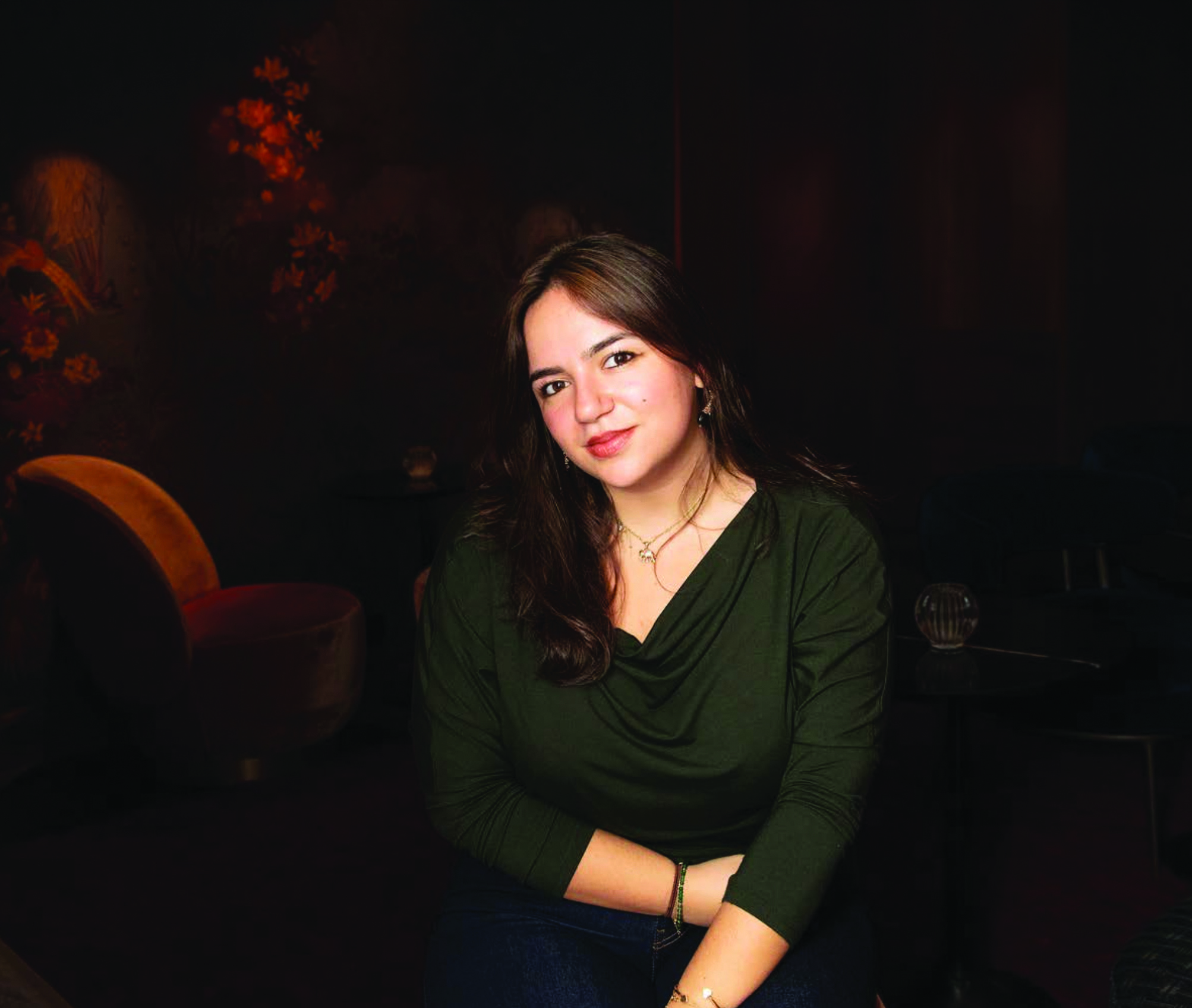
Soundouss Chraïbi: Writing to Traverse Silence
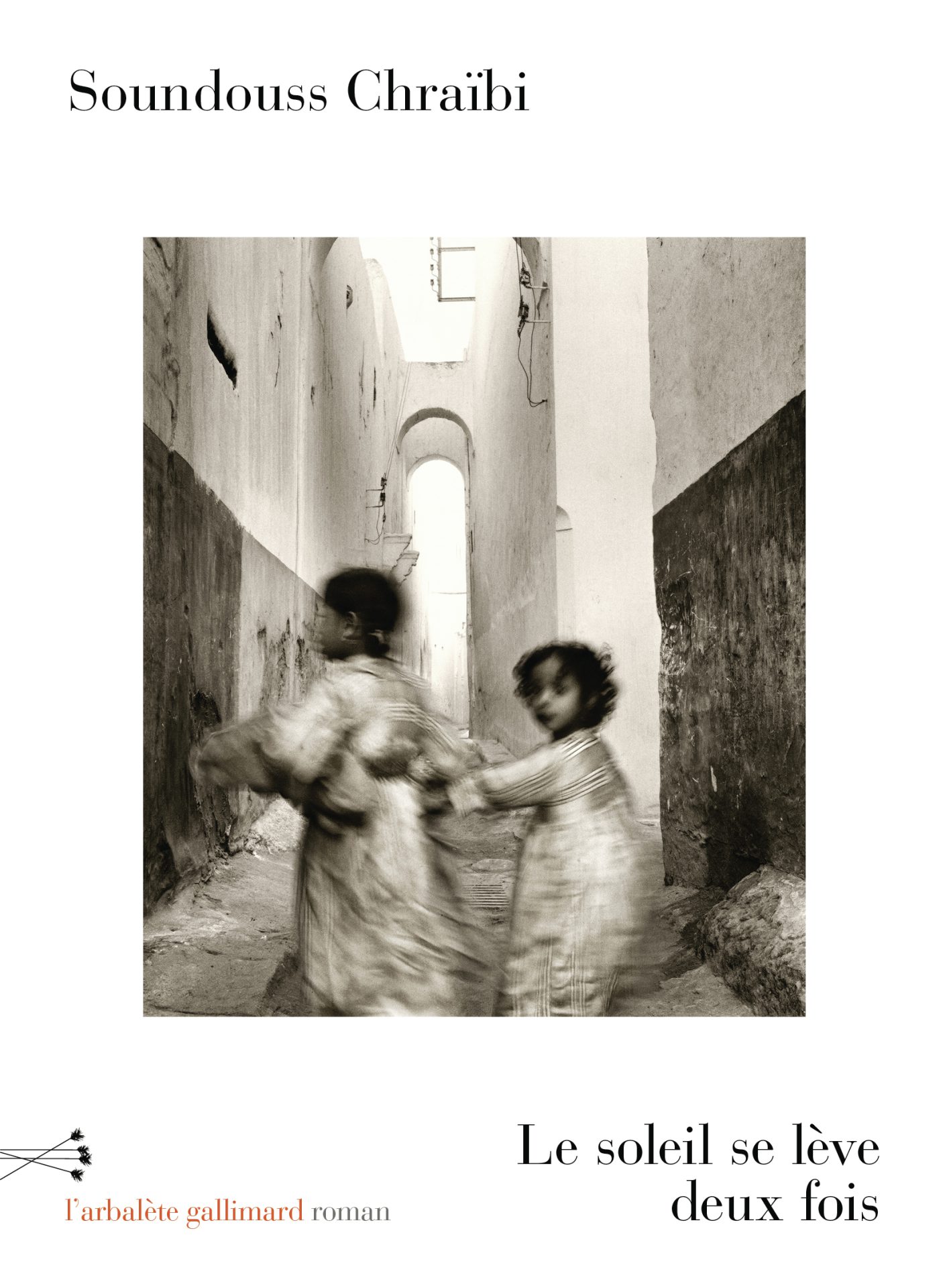
Among the most noted authors at the Rabat Book Fair, Soundouss Chraïbi reveals a voice of remarkable precision, where the intimate meets the universal. In her debut novel Le soleil se lève deux fois, she explores with subtlety questions of lineage, inner displacement and paths to emancipation. A voice both delicate and assured, already emerging as a defining presence on the contemporary literary scene.
You were a literary journalist for many years. What does it feel like to move to the other side, as an author?
It is a feeling that is both powerful and somewhat disorienting. I believe that even when one writes fiction, publishing a novel inevitably involves a form of exposure. Because literature belongs to the realm of the intimate, one cannot escape the vulnerability that comes with bringing into the world a text one has carried within for several years.
In this first novel, what place does autobiography hold in relation to fiction?
Le soleil se lève deux fois is first and foremost a novel, and therefore fiction by nature. First-person narration can be misleading, but it is neither my story nor that of the women in my family. That said, the environment in which these characters evolve is deeply familiar to me, beginning with the culture of Tangier, which is also my own, and whose beauty and subtlety I wished to convey. The house in which the story unfolds also draws heavily on reality. The novel was conceived as a traversal, room by room, of a large family home. I drew extensively on my grandmother’s house, a place where I spent a great deal of time, which no longer exists today, and which I was able to revisit by transposing into fiction.
You are very young, and yet you give voice to women of another generation.
I have often felt that women are first seen, understood and narrated through the roles they occupy within a family: mother, grandmother, aunt… They are too easily reduced to these functions, overlooking the person they have been, and continue to be beyond them. These archetypes flatten the complexity of individual lives. Literature makes room for nuance, for imperfect lives interwoven with one another. I believe that when a woman writes about her mother, her sister or her grandmother, she is also, in some way, telling something about herself.
Could you mention a few books that have marked you, and that you would recommend to our readers?
Elena Ferrante is, to me, one of the greatest novelists of our time. I realise that reading her has played a decisive role in shaping my literary ideal. There is also The House of Bernarda Alba, the magnificent play by Federico García Lorca, which has been a source of inspiration.
Daoud Aoulad-Syad: Preserving Memory, Leaving a Trace A physicist by training, a photographer by passion…
An iconic figure of Moroccan breakdancing through his group Lhiba Kingzoo, Yassine Alaoui Ismaili, better…