CASABLANCA : A CENTURY OF ART DECO
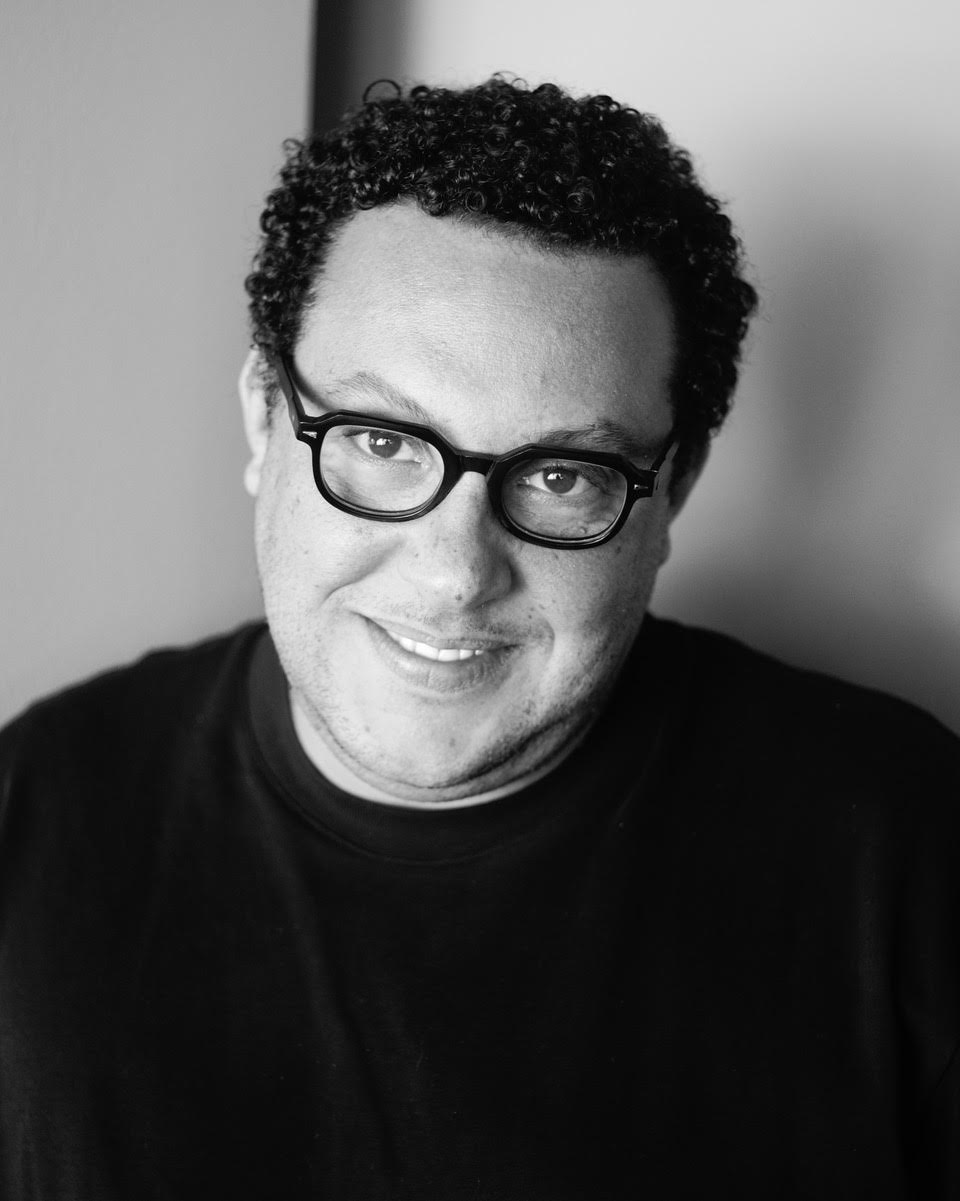
Portrait of Karim Rouissi, photo DR
Around the world, Art Deco is marking its centenary, rekindling interest in its clean lines, graphic fa.ades and architectural details. In Casablanca, Karim Rouissi—architect and lecturer at the .cole d’architecture de Casablanca—brings this heritage into focus.
President of Casam.moire since 2024, he shares his perspective on the Art Deco legacy of the White City.
CASABLANCA IS OFTEN PRESENTED AS ONE OF THE MAJOR CAPITALS OF ART DECO. HOW DO YOU EXPLAIN THIS?
Casablanca was built on a massive scale between 1920 and 1940, making Art Deco the dominant architectural language of the modern city.
Driven by rapid demographic growth, substantial investment and a clear desire to endow the city with a resolutely contemporary image, Casablanca saw the emergence of a dense urban fabric: residential buildings, hotels, public buildings, markets and cinemas, all marked by Art Deco. These constructions, often adapted to the local climate and enriched with Mediterranean and Moroccan influences, give Casablanca an exceptional place in the global history of Art Deco, making the city a true urban laboratory of the 20th century.
La Princière building, Ildriss Lahrizi Street.
IN WHAT WAYS DOES CASABLANCA’S ART DECO STAND APART?
What gives Casablanca’s Art Deco its distinct character is not form alone, but the social, cultural and artisanal context in which it emerged, shaped by a unique human and technical
cross-fertilisation during the early decades of the 20th century. At that time, Moroccan and European artisans – Spanish, Italian, Portuguese and French -worked side by side, bringing together complementary skills in ironwork, stucco, terrazzo and carved wood. From this immersion arose a singular hybridisation, in which the geometry and modernity of Art Deco enter into dialogue with the richness of local craftsmanship. This dynamic goes beyond mere decoration: it renews artisanal practices through experimentation and collaboration, and gives rise to a distinctive architectural language. One can therefore speak of a Moroccan Art Deco as a form of hybrid modernity, rooted in the dialogue between local traditions and modern
inspirations, making Casablanca a unique case in the history of Art Deco.
IF YOU WERE TO OFFER THREE PIECES OF ADVICE ON HOW TO TRULY APPRECIATE ART DECO IN CASABLANCA, WHAT WOULD THEY BE?
First, understand its evolution over time: from an Art Deco that was still highly ornamental to increasingly streamlined forms, eventually giving way to a modern architecture that foreshadows functionalism. In Casablanca, Art Deco should be read as a process rather than a fixed style.
Second, look beyond fa.ades. Much of the richness is revealed inside buildings—in entrance halls, stairwells and landings—where the interplay between materials, craftsmanship, light and geometry is often at its most inventive.
Finally, broaden the scope beyond residential architecture. Public buildings, cinemas, sports facilities and industrial structures all demonstrate that Art Deco functions as a global language of modernity, adaptable to a wide range of uses.
Interior of the Royal Mansour Casablanca hotel, fully renovated in the Art Nouveau spirit and reopened in 2024.
Hôtel Le Doge, Casablanca.
Mohammed V Boulevard, now pedestrianized and crossed by the tramway. is lined on both sides with magnificent Art Deco facades.
DOES ART DECO CONTINUE TO INSPIRE MOROCCAN ARTISTS AND ARCHITECTS TODAY?
Absolutely. Art Deco is not a fixed legacy, but a living language that continues to inspire contemporary artistic and architectural creation. It is inseparable from the city’s light and whiteness, which sculpt volumes and, through the play of shadows, reveal façades. It also adapts to the climate and to ways of living, through patios, loggias and terraces.
Even today, Art Deco remains an integral part of Casablanca’s soul, continuing to nourish creative approaches based on the reinterpretation of heritage through a contemporary architectural expression.
CASAMÉMEMOIRE : A STEWARD OF A LIVING ARCHITECTURAL HERITAGE
Founded in 1995, Casamémoire is a Moroccan non-profit association dedicated to the preservation of Morocco’s twentieth-century architectural heritage. Since then, it has played a central role in the transmission and promotion of Casablanca’s architectural and urban legacy, guided by a clear conviction: only what is known can be sustainably protected. Through guided walks, heritage days, lectures and exhibitions, the association reveals the richness of Casablanca’s built environment to a wide audience. Deeply committed to engaging young people and future professionals, Casamémoire also welcomes researchers and international visitors, placing Casablanca at the heart of global narratives of modern and Art Deco architecture.
Some family stories are not shaped solely by words, but by music. The story of…
A leading figure in Moroccan fashion, Albert Oiknine embodies a generation of designers who have…